Psalm 38 Overview
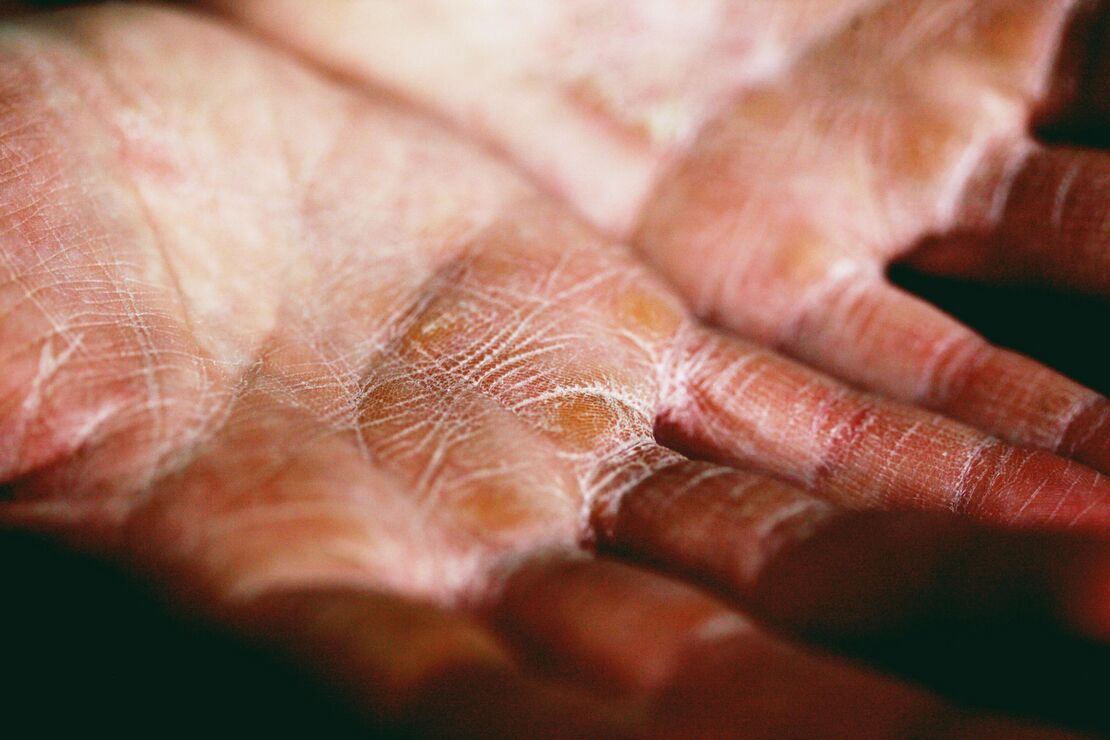
No healthy spot left
Psalm 38
Guardian: Amanda Jarus
Welcome to the Overview of Psalm 38
This page will introduce and provide orientation to Psalm 38 as a whole. It includes the following sections:
Introduction to Psalm 38
Author
- David
Book
- Book 1 of the Psalter (Chapters 1–41)
Psalm 38: A Brief Summary
- David was a man of many sorrows, both of his own making and from circumstances beyond his control. Psalm 38 laments the suffering both from his own sin as well as the enemies who falsely accuse him and hate him without cause. David concludes that it is fruitless for him to even attempt to answer, so he becomes like a deaf and mute person, with no arguments in his mouth. His hope is in YHWH, alone, who is able to answer.
"No healthy spot left" This title is a memorable phrase that helps remember the unique character and content of this psalm.
- The phrase “No healthy spot left” captures the desperation of this psalm: David has suffered, physically, in every way he can imagine. No part of his body has been untouched by the suffering. He has no strength or hope in his own ability to restore the situation: YHWH, alone, can help.
Purpose The Purpose was the psalmist's probable intent or reason for writing this psalm.
- To plead with YHWH to answer David's enemies' accusations because he cannot answer them himself.
Content The Content is a concise summary of the whole psalm's content.
- My suffering has incapacitated me, my companions have abandoned me, and my enemies are accusing me. You alone, YHWH, can help!
Message The Message is the main idea the psalmist probably wanted the audience to remember upon or after hearing the psalm.
- A sufferer cannot save themself; YHWH is the only one who can answer.
Psalm 38 At-a-Glance
These sections divide the content of the psalm into digestible pieces, and are determined based on information from many of our layers, including Semantics, Poetics, and Discourse. The columns, left to right, contain: the verse numbers; the main title of the section; a brief summary of the content of that section (quote marks indicate the text is taken directly from the English text of the psalm (as per our Close-but-Clear translation); and an icon to visually represent and remember the content.
| v. 1 A psalm. By David. To bring to remembrance. | Superscription | |||
| v. 2 YHWH, do not rebuke me when you’re angry, or discipline me when you’re wrathful! | My suffering | My sin has caused my suffering. There is no sound spot in my flesh. |
 |
guilt misery
|
| v. 3 For your arrows have been shot into me, and your hand has struck me. | ||||
| v. 4 There is no sound spot in my flesh because of your anger. There is no well-being in my bones because of my sin. | ||||
| v. 5 For my iniquities have gone over my head. Like a heavy burden, they are too heavy for me to handle. | ||||
| v. 6 My wounds have become foul with rot because of my folly. | ||||
| v. 7 I have become completely contorted. I have walked about constantly mourning. | ||||
| v. 8 For my sides are full of inflammation, and there is no sound spot in my flesh. | ||||
| v. 9 I have become weak and have been crushed completely. I have been groaning because of the severe suffering of my heart. | ||||
| v. 10 My Lord, everything I long for is before you, and my moaning is not hidden from you. | My abandonment | My strength and my friends have abandoned me, and my enemies pursue my harm. I am unable to speak. |
 |
abandonment vulnerability
|
| v. 11 My heart has been pounding. My strength has abandoned me, and the light of my eyes, even that is not with me! | ||||
| v. 12 Those who love me, my companions, are standing far away from my injury, and my relatives have stood at a distance. | ||||
| v. 13 And those who seek to take my life have set a trap, and those who pursue my harm have been speaking of disaster, and they are constantly muttering treachery. | ||||
| v. 14 But I, like a deaf person, cannot hear. And [I am] like a mute person [who] cannot open his mouth. | ||||
| v. 15 And so I have become like a man who does not hear and who has no arguments in his mouth. | ||||
| v. 16 But, YHWH, I have hoped for you. You yourself must answer, my Lord, my God. | My only hope | I am distressed about what will happen because of my suffering and my sin and my enemies' baseless accusations. You, YHWH, must answer. Don’t abandon me now! |
 |
distress dependence
|
| v. 17 For I thought that they would rejoice concerning me, [those who] have considered themselves superior to me when my feet slip. | ||||
| v. 18 For I am certain to stumble, and my pain is always before me. | ||||
| v. 19 Although I confess my iniquity, I am distressed because of my sin. | ||||
| v. 20 And those who are my enemies for no reason are mighty, and those who hate me without cause are numerous. | ||||
| v. 21 And those who repay with evil in response to good accuse me in response to my pursuit of good. | ||||
| v. 22 Do not abandon me, YHWH! My God, do not be far from me! | ||||
| v. 23 Hurry to help me, my Lord, my salvation! | ||||
Background Orientation for Psalm 38
Following are the common-ground assumptionsCommon-ground assumptions include information shared by the speaker and hearers. In our analysis, we mainly use this category for Biblical/Ancient Near Eastern background. which are the most helpful for making sense of the psalm.
- Sickness is a common form of divine punishment (Ps 6:1-2, 102:3-4, 10-11; Keel 1997, 80). YHWH is the ultimate judge and so has the right to condemn or acquit David accordingly.
- Sickness is sometimes used metaphorically to describe spiritual or mental suffering.
- Disease could lead to ostracism because it is a result of divine judgment and because of the Levitical laws concerning some diseases that require the sick person to leave camp (Ryken et al. 1982, 2182; Lev 13:46; 14:19-20; see John 9:1).
Background Situation for Psalm 38
The background situation is the series of events leading up to the time in which the psalm is spoken. These are taken from the story triangle – whatever lies to the left of the star icon.

Participants in Psalm 38
There are 5 participants/characters in Psalm 38:
Profile List
| David |
| Strength (v. 11) |
| David's feet (v. 17) |
| YHWH |
| "My Lord" (vv. 10, 16, 23) |
| "My God" (vv. 16, 22) |
| "My salvation" (v. 23) |
| YHWH's hand (v. 3) |
| Enemies |
| "Those who seek to take my life" (v. 13) |
| "Those who pursue my harm" (v. 13) |
| "Those who have considered themselves superior to me" (v. 17) |
| "Those who are my enemies" (v. 20) |
| "Those who hate me" (v. 13) |
| "Those who repay with evil" (v. 21) |
| Companions |
| "Those who love me" (v. 12) |
| "My companions" (v. 12) |
| Relatives |
| Iniquities |
| Sin |
| Folly |
Profile Notes
- It could be argued that the companions and the enemies should be grouped together because the companions aren't acting like they should. However, the key difference is the fact that the companions take a passive role, standing at a distance, while the enemies take an active role in pursuing David's harm.
- Strength and David's feet likewise could be grouped as a related participants with companions because they also should be supporting David but are not in this case. All three abandon him. However, the referent is still David, so they are grouped as related participants with him.
- Iniquities and its synonyms could be grouped with enemies because they have similar functions in relation to David in this psalm, causing him suffering. However, David interacts with both the enemies and his iniquities differently, so they are separate participants.