Psalm 38 Discourse
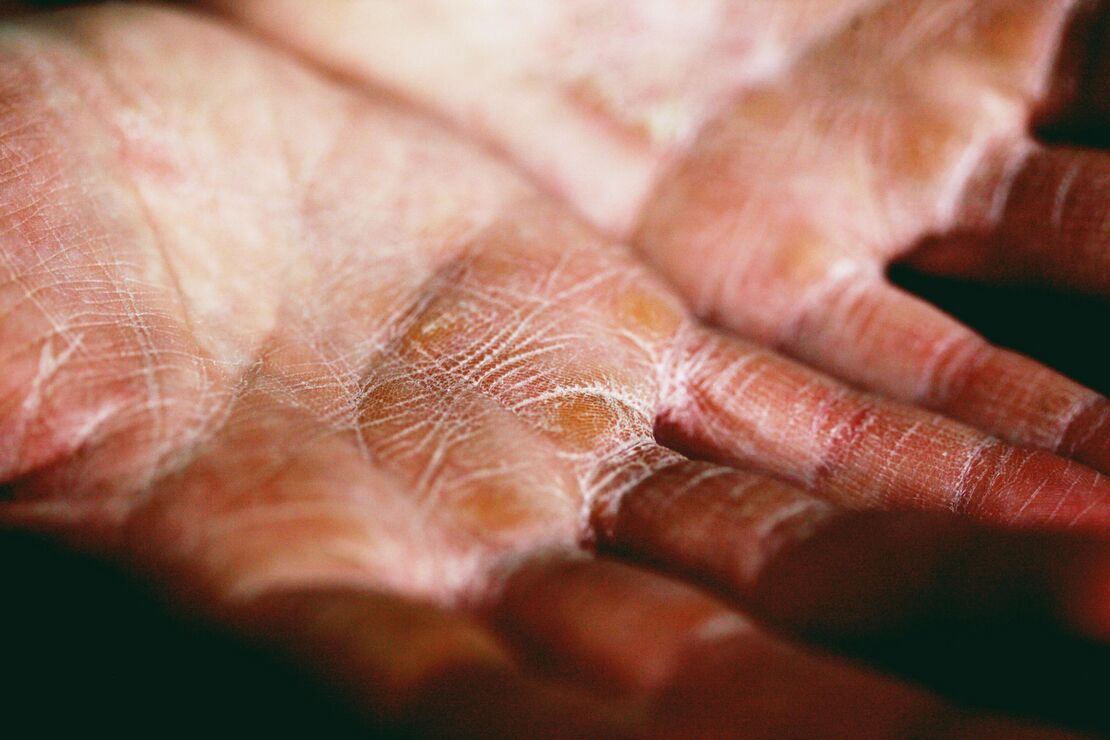
No healthy spot left
Psalm 38
Guardian: Amanda Jarus
About the Discourse Layer
Our Discourse Layer includes four additional layers of analysis:
- Participant analysis
- Macrosyntax
- Speech act analysis
- Emotional analysis
For more information on our method of analysis, click the expandable explanation button at the beginning of each layer.
Participant Analysis
Participant Analysis focuses on the characters in the psalm and asks, “Who are the main participants (or characters) in this psalm, and what are they saying or doing? It is often helpful for understanding literary structure, speaker identification, etc.
For a detailed explanation of our method, see the Participant Analysis Creator Guidelines.
There are 5 participants/characters in Psalm 38:
Profile List
| David |
| Strength (v. 11) |
| David's feet (v. 17) |
| YHWH |
| "My Lord" (vv. 10, 16, 23) |
| "My God" (vv. 16, 22) |
| "My salvation" (v. 23) |
| YHWH's hand (v. 3) |
| Enemies |
| "Those who seek to take my life" (v. 13) |
| "Those who pursue my harm" (v. 13) |
| "Those who have considered themselves superior to me" (v. 17) |
| "Those who are my enemies" (v. 20) |
| "Those who hate me" (v. 13) |
| "Those who repay with evil" (v. 21) |
| Companions |
| "Those who love me" (v. 12) |
| "My companions" (v. 12) |
| Relatives |
| Iniquities |
| Sin |
| Folly |
Profile Notes
- It could be argued that the companions and the enemies should be grouped together because the companions aren't acting like they should. However, the key difference is the fact that the companions take a passive role, standing at a distance, while the enemies take an active role in pursuing David's harm.
- Strength and David's feet likewise could be grouped as a related participants with companions because they also should be supporting David but are not in this case. All three abandon him. However, the referent is still David, so they are grouped as related participants with him.
- Iniquities and its synonyms could be grouped with enemies because they have similar functions in relation to David in this psalm, causing him suffering. However, David interacts with both the enemies and his iniquities differently, so they are separate participants.
| Hebrew | Verse | English |
|---|---|---|
| מִזְמ֖וֹר לְדָוִ֣ד לְהַזְכִּֽיר׃ | 1 | A psalm. By David. To bring to remembrance. |
| יְֽהוָ֗ה אַל־בְּקֶצְפְּךָ֥ תוֹכִיחֵ֑נִי | 2a | YHWH, do not rebuke me when you’re angry, |
| וּֽבַחֲמָתְךָ֥ תְיַסְּרֵֽנִי׃ | 2b | or discipline me when you’re wrathful! |
| כִּֽי־חִ֭צֶּיךָ נִ֣חֲתוּ בִ֑י | 3a | For your arrows have been shot into me, |
| וַתִּנְחַ֖ת עָלַ֣י יָדֶֽךָ׃ | 3b | and your hand has struck me. |
| אֵין־מְתֹ֣ם בִּ֭בְשָׂרִי מִפְּנֵ֣י זַעְמֶ֑ךָ | 4a | There is no sound spot in my flesh because of your anger. |
| אֵין־שָׁל֥וֹם בַּ֝עֲצָמַ֗י מִפְּנֵ֥י חַטָּאתִֽי׃ | 4b | There is no well-being in my bones because of my sin. |
| כִּ֣י עֲ֭וֺנֹתַי עָבְר֣וּ רֹאשִׁ֑י | 5a | For my iniquities have gone over my head. |
| כְּמַשָּׂ֥א כָ֝בֵ֗ד יִכְבְּד֥וּ מִמֶּֽנִּי׃ | 5b | Like a heavy burden, they are too heavy for me |
| הִבְאִ֣ישׁוּ נָ֭מַקּוּ חַבּוּרֹתָ֑י | 6a | My wounds have become foul with rot |
| מִ֝פְּנֵ֗י אִוַּלְתִּֽי׃ | 6b | because of my folly. |
| נַעֲוֵ֣יתִי שַׁחֹ֣תִי עַד־מְאֹ֑ד | 7a | I have become completely contorted. |
| כָּל־הַ֝יּ֗וֹם קֹדֵ֥ר הִלָּֽכְתִּי׃ | 7b | I have walked about constantly mourning. |
| כִּֽי־כְ֭סָלַי מָלְא֣וּ נִקְלֶ֑ה | 8a | For my sides are full of inflammation, |
| וְאֵ֥ין מְ֝תֹ֗ם בִּבְשָׂרִֽי׃ | 8b | and there is no sound spot in my flesh. |
| נְפוּג֣וֹתִי וְנִדְכֵּ֣יתִי עַד־מְאֹ֑ד | 9a | I have become weak and have been crushed completely. |
| שָׁ֝אַ֗גְתִּי מִֽנַּהֲמַ֥ת לִבִּֽי׃ | 9b | I have been groaning because of the severe suffering of my heart. |
| אֲֽדֹנָי נֶגְדְּךָ֥ כָל־תַּאֲוָתִ֑י | 10a | My Lord, everything I long for is before you, |
| וְ֝אַנְחָתִ֗י מִמְּךָ֥ לֹא־נִסְתָּֽרָה׃ | 10b | and my moaning is not hidden from you. |
| לִבִּ֣י סְ֭חַרְחַר עֲזָבַ֣נִי כֹחִ֑י | 11a | My heart has been pounding. My strength has abandoned me, |
| וְֽאוֹר־עֵינַ֥י גַּם־הֵ֝֗ם אֵ֣ין אִתִּֽי׃ | 11b | and the light of my eyes, even that is not with me! |
| אֹֽהֲבַ֨י׀וְרֵעַ֗י | 12a | Those who love me, my companions, |
| מִנֶּ֣גֶד נִגְעִ֣י יַעֲמֹ֑דוּ | 12b | are standing far away from my injury, |
| וּ֝קְרוֹבַ֗י מֵרָחֹ֥ק עָמָֽדוּ׃ | 12c | and my relatives have stood at a distance. |
| וַיְנַקְשׁ֤וּ׀מְבַקְשֵׁ֬י נַפְשִׁ֗י | 13a | And those who seek to take my life have set a trap, |
| וְדֹרְשֵׁ֣י רָ֭עָתִי דִּבְּר֣וּ הַוּ֑וֹת | 13b | and those who pursue my harm have been speaking of disaster, |
| וּ֝מִרְמ֗וֹת כָּל־הַיּ֥וֹם יֶהְגּֽוּ׃ | 13c | and they are constantly muttering treachery. |
| וַאֲנִ֣י כְ֭חֵרֵשׁ לֹ֣א אֶשְׁמָ֑ע | 14a | But I, like a deaf person, cannot hear. |
| וּ֝כְאִלֵּ֗ם לֹ֣א יִפְתַּח־פִּֽיו׃ | 14b | And [I am] like a mute person [who] cannot open his mouth. |
| וָאֱהִ֗י כְּ֭אִישׁ אֲשֶׁ֣ר לֹא־שֹׁמֵ֑עַ | 15a | And so I have become like a man who does not hear |
| וְאֵ֥ין בְּ֝פִ֗יו תּוֹכָחֽוֹת׃ | 15b | and who has no arguments in his mouth. |
| כִּֽי־לְךָ֣ יְהוָ֣ה הוֹחָ֑לְתִּי | 16a | But, YHWH, I have hoped for you. |
| אַתָּ֥ה תַ֝עֲנֶ֗ה אֲדֹנָ֥י אֱלֹהָֽי׃ | 16b | You yourself must answer, my Lord, my God. |
| כִּֽי־אָ֭מַרְתִּי פֶּן־יִשְׂמְחוּ־לִ֑י | 17a | For I thought that they would rejoice concerning me, |
| בְּמ֥וֹט רַ֝גְלִ֗י עָלַ֥י הִגְדִּֽילוּ׃ | 17b | have considered themselves superior to me when my feet slip. |
| כִּֽי־אֲ֭נִי לְצֶ֣לַע נָכ֑וֹן | 18a | For I am certain to stumble, |
| וּמַכְאוֹבִ֖י נֶגְדִּ֣י תָמִֽיד׃ | 18b | and my pain is always before me. |
| כִּֽי־עֲוֺנִ֥י אַגִּ֑יד | 19a | Although I confess my iniquity, |
| אֶ֝דְאַ֗ג מֵֽחַטָּאתִֽי׃ | 19b | I am distressed because of my sin. |
| וְֽ֭אֹיְבַי חִנָם עָצֵ֑מוּ | 20a | And those who are my enemies for no reason are mighty, |
| וְרַבּ֖וּ שֹׂנְאַ֣י שָֽׁקֶר׃ | 20b | and those who hate me without cause are numerous. |
| וּמְשַׁלְּמֵ֣י רָ֭עָה תַּ֣חַת טוֹבָ֑ה | 21a | And those who repay with evil in response to good |
| יִ֝שְׂטְנ֗וּנִי תַּ֣חַת רָֽדְפִי־טֽוֹב׃ | 21b | accuse me in response to my pursuit of good. |
| אַל־תַּֽעַזְבֵ֥נִי יְהוָ֑ה | 22a | not abandon me, YHWH! |
| אֱ֝לֹהַ֗י אַל־תִּרְחַ֥ק מִמֶּֽנִּי׃ | 22b | My God, do not be far from me! |
| ח֥וּשָׁה לְעֶזְרָתִ֑י | 23a | Hurry to help me, |
| אֲ֝דֹנָ֗י תְּשׁוּעָתִֽי׃ | 23b | my Lord, my salvation! |
Participant Relations Diagram
The relationships among the participants may be abstracted and summarized as follows:

Participant Analysis Summary Distribution

Macrosyntax
Macrosyntax Diagram
| Macrosyntax legend | |
|---|---|
| Vocatives | Vocatives are indicated by purple text. |
| Discourse marker | Discourse markers (such as כִּי, הִנֵּה, לָכֵן) are indicated by orange text. |
 |
The scope governed by the discourse marker is indicated by a dashed orange bracket connecting the discourse marker to its scope. |
 |
The preceding discourse grounding the discourse marker is indicated by a solid orange bracket encompassing the relevant clauses. |
| Subordinating conjunction | The subordinating conjunction is indicated by teal text. |
 |
Subordination is indicated by a solid teal bracket connecting the subordinating conjunction with the clause to which it is subordinate. |
| Coordinating conjunction | The coordinating conjunction is indicated by blue text. |
 |
Coordination is indicated by a solid blue line connecting the coordinating clauses. |
 |
Coordination without an explicit conjunction is indicated by a dashed blue line connecting the coordinated clauses. |
 |
Marked topic is indicated by a black dashed rounded rectangle around the marked words. |
 |
The scope of the activated topic is indicated by a black dashed bracket encompassing the relevant clauses. |
| Marked focus or thetic sentence | Marked focus (if one constituent) or thetic sentences[1] are indicated by bold text. |
 |
Frame setters[2] are indicated by a solid gray rounded rectangle around the marked words. |
| [blank line] | Discourse discontinuity is indicated by a blank line. |
| [indentation] | Syntactic subordination is indicated by indentation. |
 |
Direct speech is indicated by a solid black rectangle surrounding all relevant clauses. |
| (text to elucidate the meaning of the macrosyntactic structures) | Within the CBC, any text elucidating the meaning of macrosyntax is indicated in gray text inside parentheses. |
If an emendation or revocalization is preferred, that emendation or revocalization will be marked in the Hebrew text of all the visuals.
| Emendations/Revocalizations legend | |
|---|---|
| *Emended text* | Emended text, text in which the consonants differ from the consonants of the Masoretic text, is indicated by blue asterisks on either side of the emendation. |
| *Revocalized text* | Revocalized text, text in which only the vowels differ from the vowels of the Masoretic text, is indicated by purple asterisks on either side of the revocalization. |

- The first paragraph break is in v. 10 with the reintroduction of YHWH as a participant and the vocative.
- The second paragraph break is in v. 12 with the shift in topic from the psalmist to the people around him, marked by the fronted topic. In addition, vv. 12-15 are all connected by coordinating conjunctions, clearly setting them apart as a unit.
- The third paragraph break is in v. 16. The use of אַתָּ֥ה in v. 16 is not necessary for the grammar and so is emphatic. The emphatic use of the pronoun, the three vocatives, the fronting of לְךָ֣, and the contrastive כִּי all serve to emphasize this verse.
- The final paragraph break is in v. 22, marked by the frequent use of vocatives in this segment. The pattern the vocatives form (final, initial, final) also solidifies this as its own paragraph. The culmination of the three groups mentioned in vv. 20-21 also indicates the that that paragraph is closing, especially with the length of the fronted subject in v. 21.
- v. 2a is contrastive focus. David accepts that YHWH will rebuke him, but he doesn't want YHWH to do it while he is angry, but rather justly (cf. Jer 10:24, Isa 11:4).
- v. 2b is also contrastive focus.
- v. 3a is most likely information focus; however, it could also be topic activation. If this line is topic * activation, it could be paraphrased "For concerning your arrows, they have been shot into me." If it is topic activation, the arrows would need to be presupposed in the discourse, potentially from the concept of YHWH's wrath in the previous verse.
- v. 5a is contrastive focus.
- v. 5b has כְּמַשָּׂ֥א כָ֝בֵ֗ד fronted for poetic reasons. With the prepositional phrase fronted, the same word order is repeated in 5b as in 5a. In addition, the phonetics also emphasize this pattern, with the 3mp qatal and the 1cs suffix.
- v. 7bα is a frame setter, giving the temporal scope of the clause.
- v. 7bβ is information focus, introducing the new concept of the psalmist's emotional reaction to his suffering.
- v. 8 is topic shift. Since the psalmist's body is already in the discourse here, this is not a new subject, but a shift to discuss a particular body part.
- v. 10a is confirming focus.
- v. 10bα and β are fronted for poetic reasons, mirroring the word order in v. 10a. It is possible that וְ֝אַנְחָתִ֗י מִמְּךָ֥ could be fronted because of topic shift, but this is unlikely.
- v. 11a is topic shift. It could be that this is fronted due to poetic symmetry within the clause, however.
- v. 11cα is topic shift.
- v. 11cβ is scalar focus.
- v. 12aα is topic shift.
- v. 12aβ is replacing focus.
- v. 12b repeats the structure of 12a. It is possible that אֹֽהֲבַ֨י ׀ וְרֵעַ֗י is fronted because of topic shift.
- v. 13b is fronted for poetic reasons in order to mirror the word order of v. 13a.
- v. 13cα is topic shift. The fronted וּ֝מִרְמ֗וֹת is semantically similar to הַוּ֑וֹת, so it is already active in the discourse.
- v. 13cβ is information focus.
- v. 14aα is topic shift.
- v. 14aβ is contrastive focus. From the previous context, it would be more likely that David would be listening to everything his enemies have been muttering, so the comparison of David to a deaf person is unexpected.
- v. 16a is fronted as contrastive focus, emphasizing that David trusted in God rather than man.
- v. 16b is confirming focus.
- v. 17cα is a frame setter, setting the temporal orientation for the rest of the clause.
- v. 17cβ is fronted for poetic reasons, mirroring the word order in v. 17b.
- v. 18a is confirming focus.
- v. 19a is fronted for poetic purposes, mirroring the word order in v. 19b. This is further strengthened by the phonological similarity with the two verbs. If not poetic, it could be topic reactivation, since עָוֹן hasn't been mentioned since verse 4.
- v. 20a is topic shift.
- v. 21a is fronted to match the structure of v. 20a.
- The vocatives are evenly spaced throughout the psalm, about 7 verses apart from each other. The psalm also begins and ends with vocatives. In addition, the vocatives increase towards the end of the psalm. Verse 16 takes the two vocatives used previously and adds a third all in one verse. These same three vocatives are repeated in vv. 22-23.
- The vocative in v. 2 is clause-initial, used here to grab God's attention to answer this urgent request (Kim 2022, 213-217).
- The vocative in v. 10 is clause-initial, serving to reactivate YHWH as a participant in the psalm, since there has been no mention of him since v. 4, identifying the antecedent of the pronoun in נֶגְדְּךָ֥.
- The first vocative in v. 16 immediately follows the fronted לְךָ֣, further emphasizing that prepositional phrase as the focus (Miller 2010, 357).
- The vocatives in v. 16b serve to indicate line delimitation (Miller 2010, 360-363).
- In both v. 22 and v. 23 there are two vocatives grouped together. The position of the vocatives in these verses creates a pattern: clause-final, clause-initial, and clause-final.
For comments on the structural and poetic usage of vocatives in this psalm see Psalm 38 Poetics.
(There are no notes on discourse markers for this psalm.)
- vv. 12-14 are grouped according to semantic similarities. However, the conjunction and pronoun in 14a sets vv. 14-15 apart as in contrast with vv. 12-13.
- The כִּי in v. 16 could be functioning in one of three ways. First, it could be introducing a counter statement to the previous segment, contrasting the abandonment by humans and David's trust in God (BHRG 2017, §40.21.2). Second, it could be causal, giving the reason why David gives no arguments: because he has placed his hope in the Lord, not in any arguments he could make. Third, it could be causal, but subordinate to the following clause, giving the reason why YHWH will answer. Because of the fronting of לְךָ֣, the focus is on YHWH, not necessarily on the answer or the arguments, so the first analysis is more likely.
- The פֶּן in v. 17 governs both the clause immediately following it and the clause subordinate to it.
- The כִּי in v. 18 gives David's motivation for saying what he did in v. 17. It is possible that this segment could be subordinate to the פֶּן clause in v. 17, in which case it would indicate the reason for why David's enemies are rejoicing.
- The כִּי in v. 19 functions as a concessive (BHRG §40.29.1(1)d), showing that even though David is confessing his iniquity, it is useless, since he is still anxious about his sin.
Speech Act Analysis
The Speech Act layer presents the text in terms of what it does, following the findings of Speech Act Theory. It builds on the recognition that there is more to communication than the exchange of propositions. Speech act analysis is particularly important when communicating cross-culturally, and lack of understanding can lead to serious misunderstandings, since the ways languages and cultures perform speech acts varies widely.
For a detailed explanation of our method, see the Speech Act Analysis Creator Guidelines.
Summary Visual
| Speaker | Verses | Macro Speech Acts | Addressee | |||
|---|---|---|---|---|---|---|
| David | v. 2 YHWH, do not rebuke me when you’re angry, or discipline me when you’re wrathful! | LAMENT FOR BODILY SUFFERING
|
YHWH | |||
| v. 3 For your arrows have been shot into me, and your hand has struck me. | ||||||
| v. 4 There is no sound spot in my flesh because of your anger. There is no well-being in my bones because of my sin. | ||||||
| v. 5 For my iniquities have gone over my head. Like a heavy burden, they are too heavy for me to handle. | ||||||
| v. 6 My wounds have become foul with rot because of my folly. | ||||||
| v. 7 I have become completely contorted. I have walked about constantly mourning. | ||||||
| v. 8 For my sides are full of inflammation, and there is no sound spot in my flesh. | ||||||
| v. 9 I have become weak and have been crushed completely. I have been groaning because of the severe suffering of my heart. | ||||||
| v. 10 My Lord, everything I long for is before you, and my moaning is not hidden from you. | LAMENT FOR ABANDONMENT
|
|||||
| v. 11 My heart has been pounding. My strength has abandoned me, and the light of my eyes, even that is not with me! | ||||||
| v. 12 Those who love me, my companions, are standing far away from my injury, and my relatives have stood at a distance. | ||||||
| v. 13 And those who seek to take my life have set a trap, and those who pursue my harm have been speaking of disaster, and they are constantly muttering treachery. | ||||||
| v. 14 But I, like a deaf person, cannot hear. And [I am] like a mute person [who] cannot open his mouth. | ||||||
| v. 15 And so I have become like a man who does not hear and who has no arguments in his mouth. | ||||||
| v. 16 But, YHWH, I have hoped for you. You yourself must answer, my Lord, my God. | PETITION
|
|||||
| v. 17 For I thought that they would rejoice concerning me, [those who] have considered themselves superior to me when my feet slip. | ||||||
| v. 18 For I am certain to stumble, and my pain is always before me. | ||||||
| v. 19 Although I confess my iniquity, I am distressed because of my sin. | ||||||
| v. 20 And those who are my enemies for no reason are mighty, and those who hate me without cause are numerous. | ||||||
| v. 21 And those who repay with evil in response to good accuse me in response to my pursuit of good. | ||||||
| v. 22 Do not abandon me, YHWH! My God, do not be far from me! | ||||||
| v. 23 Hurry to help me, my Lord, my salvation! | ||||||
Speech Act Analysis Chart
The following chart is scrollable (left/right; up/down).
| Verse | Hebrew | CBC | Sentence type | Illocution (general) | Illocution with context | Macro speech act | Intended perlocution (Think) | Intended perlocution (Feel) | Intended perlocution (Do) |
| Verse number and poetic line | Hebrew text | English translation | Declarative, Imperative, or Interrogative Indirect Speech Act: Mismatch between sentence type and illocution type |
Assertive, Directive, Expressive, Commissive, or Declaratory Indirect Speech Act: Mismatch between sentence type and illocution type |
More specific illocution type with paraphrased context | Illocutionary intent (i.e. communicative purpose) of larger sections of discourse These align with the "Speech Act Summary" headings |
What the speaker intends for the address to think | What the speaker intends for the address to feel | What the speaker intends for the address to do |
If an emendation or revocalization is preferred, that emendation or revocalization will be marked in the Hebrew text of all the visuals.
| Emendations/Revocalizations legend | |
|---|---|
| *Emended text* | Emended text, text in which the consonants differ from the consonants of the Masoretic text, is indicated by blue asterisks on either side of the emendation. |
| *Revocalized text* | Revocalized text, text in which only the vowels differ from the vowels of the Masoretic text, is indicated by purple asterisks on either side of the revocalization. |
| Verse | Text (Hebrew) | Text (CBC) | Sentence type | Illocution (general) | Illocution with context | Macro speech act | Intended perlocution (Think) | Intended perlocution (Feel) | Intended perlocution (Do) | Speech Act Notes | ||
|---|---|---|---|---|---|---|---|---|---|---|---|---|
| 1 | מִזְמ֖וֹר לְדָוִ֣ד לְהַזְכִּֽיר׃ | A psalm. By David. To bring to remembrance. | Superscription | |||||||||
| 2 | יְֽהוָ֗ה אַל־בְּקֶצְפְּךָ֥ תוֹכִיחֵ֑נִי | YHWH, do not rebuke me when you’re angry, | Imperative | Directive | Pleading for mercy from YHWH | Pleading for YHWH to have mercy | Pleading for YHWH to have mercy | Lamenting the effect of YHWH's rebuke on the psalmist's self | YHWH will refrain from disciplining the psalmist | |||
| וּֽבַחֲמָתְךָ֥ תְיַסְּרֵֽנִי׃ | or discipline me when you’re wrathful! | Imperative | Directive | Pleading for mercy from YHWH | ||||||||
| 3 | כִּֽי־חִ֭צֶּיךָ נִ֣חֲתוּ בִ֑י | For your arrows have been shot into me, | Declarative | Expressive | Providing a reason to request mercy | |||||||
| וַתִּנְחַ֖ת עָלַ֣י יָדֶֽךָ׃ | and your hand has struck me. | Declarative | Expressive | Providing a reason to request mercy | ||||||||
| 4 | אֵין־מְתֹ֣ם בִּ֭בְשָׂרִי מִפְּנֵ֣י זַעְמֶ֑ךָ | There is no sound spot in my flesh because of your anger. | Declarative | Expressive | Mourning the damage to his flesh because of YHWH's discipline | Mourning the extent of the damage | Lamenting to provide grounds for plea | YHWH wil acknowledge the psalmist's suffering | YHWH will have compassion on the psalmist's suffering | YHWH will deliver the psalmist from his suffering | ||
| אֵין־שָׁל֥וֹם בַּ֝עֲצָמַ֗י מִפְּנֵ֥י חַטָּאתִֽי׃ | There is no well-being in my bones because of my sin. | Declarative | Expressive | Mourning the damage because of his own sin | ||||||||
| 5 | כִּ֣י עֲ֭וֺנֹתַי עָבְר֣וּ רֹאשִׁ֑י | For my iniquities have gone over my head. | Declarative | Expressive | Explaining why his iniquities are a problem: their weight | |||||||
| כְּמַשָּׂ֥א כָ֝בֵ֗ד יִכְבְּד֥וּ מִמֶּֽנִּי׃ | Like a heavy burden, they are too heavy for me to handle. | Declarative | Expressive | Mourning the overwhelming weight of the iniquities | ||||||||
| 6 | הִבְאִ֣ישׁוּ נָ֭מַקּוּ חַבּוּרֹתָ֑י | My wounds have become foul with rot | Declarative | Expressive | Mourning his injuries | |||||||
| מִ֝פְּנֵ֗י אִוַּלְתִּֽי׃ | because of my folly. | |||||||||||
| 7 | נַעֲוֵ֣יתִי שַׁחֹ֣תִי עַד־מְאֹ֑ד | I have become completely contorted. | Declarative | Expressive | Mourning the result of injuries | |||||||
| כָּל־הַ֝יּ֗וֹם קֹדֵ֥ר הִלָּֽכְתִּי׃ | I have walked about constantly mourning. | Declarative | Expressive | Mourning the constant nature of his suffering and mourning | ||||||||
| 8 | כִּֽי־כְ֭סָלַי מָלְא֣וּ נִקְלֶ֑ה | For my sides are full of inflammation, | Declarative | Expressive | Mourning the damage to his flesh | |||||||
| וְאֵ֥ין מְ֝תֹ֗ם בִּבְשָׂרִֽי׃ | and there is no sound spot in my flesh. | Declarative | Expressive | Mourning the damage to his flesh | ||||||||
| 9 | נְפוּג֣וֹתִי | I have become weak | Declarative | Expressive | Mourning his helplessness | |||||||
| וְנִדְכֵּ֣יתִי עַד־מְאֹ֑ד | and have been crushed completely. | Declarative | Expressive | Mourning his helplessness | ||||||||
| שָׁ֝אַ֗גְתִּי מִֽנַּהֲמַ֥ת לִבִּֽי׃ | I have been groaning because of the severe suffering of my heart. | Declarative | Expressive | Mourning the severe suffering of his heart | ||||||||
| 10 | אֲֽדֹנָי נֶגְדְּךָ֥ כָל־תַּאֲוָתִ֑י | My Lord, everything I long for is before you, | Declarative | Expressive | Trusting that YHWH knows his suffering | Trusting that YHWH knows his suffering | Lamenting the effect of YHWH's rebuke on the psalmist's relationships | YHWH wil acknowledge the psalmist's trust in him | YHWH will feel loyalty towards the psalmist | • If the illocution for this verse is not expressive, it would be assertive, declaring the fact that YHWH knows what David longs for. However, in the larger scheme of the psalm, it makes the most sense for this to be expressive because of its position in the midst of lament. | ||
| וְ֝אַנְחָתִ֗י מִמְּךָ֥ לֹא־נִסְתָּֽרָה׃ | and my moaning is not hidden from you. | Declarative | Expressive | Trusting that YHWH knows his suffering | ||||||||
| 11 | לִבִּ֣י סְ֭חַרְחַר | My heart has been pounding. | Declarative | Expressive | Mourning the pounding of his heart | Mourning the abandonment of his body | YHWH wil acknowledge the psalmist's suffering | YHWH will have compassion on the psalmist's suffering | ||||
| עֲזָבַ֣נִי כֹחִ֑י | My strength has abandoned me, | Declarative | Expressive | Mourning his lack of strength | ||||||||
| וְֽאוֹר־עֵינַ֥י גַּם־הֵ֝֗ם אֵ֣ין אִתִּֽי׃ | and the light of my eyes, even that is not with me! | Declarative | Expressive | Mourning his seemingly impending death | ||||||||
| 12 | אֹֽהֲבַ֨י ׀ וְרֵעַ֗י מִנֶּ֣גֶד נִגְעִ֣י יַעֲמֹ֑דוּ | Those who love me, my companions, are standing far away from my injury, | Declarative | Expressive | Mourning the abandonment of his companions and relatives | Mourning the abandonment of his companions and relatives | ||||||
| וּ֝קְרוֹבַ֗י מֵרָחֹ֥ק עָמָֽדוּ׃ | and my relatives have stood at a distance. | Declarative | Expressive | Mourning the abandonment of his companions and relatives | ||||||||
| 13 | וַיְנַקְשׁ֤וּ ׀ מְבַקְשֵׁ֬י נַפְשִׁ֗י | And those who seek to take my life have set a trap, | Declarative | Expressive | Mourning the intent of his enemies to harm him and their plots against him | Mourning his helplessness in the face of his enemies' attacks | ||||||
| וְדֹרְשֵׁ֣י רָ֭עָתִי דִּבְּר֣וּ הַוּ֑וֹת | and those who pursue my harm have been speaking of disaster, | Declarative | Expressive | Mourning the intent of his enemies to harm him and their plots against him | ||||||||
| וּ֝מִרְמ֗וֹת כָּל־הַיּ֥וֹם יֶהְגּֽוּ׃ | and they are constantly muttering treachery. | Declarative | Expressive | Mourning the intent of his enemies to harm him and their plots against him | ||||||||
| 14 | וַאֲנִ֣י כְ֭חֵרֵשׁ לֹ֣א אֶשְׁמָ֑ע | But I, like a deaf person, cannot hear. | Declarative | Expressive | Mourning his helplessness of being unable to hear (his enemies' accusations) | Mourning his helplessness and providing a reason for his hope in YHWH | • vv. 14-15: In the present analysis, these verses have been taking as expressives. However, if David is choosing not to speak or listen, then they could be taken as commissives, showing David's resolve not to listen or speak but let YHWH answer for him. Because of the previous verses, it is more likely that David is unable to speak and has no choice in the matter, and so the expressive analysis has been favored. | |||||
| וּ֝כְאִלֵּ֗ם לֹ֣א יִפְתַּח־פִּֽיו׃ | And [I am] like a mute person [who] cannot open his mouth. | Declarative | Expressive | Mourning his helplessness of being unable to speak (and answer his enemies' accusations) | ||||||||
| 15 | וָאֱהִ֗י כְּ֭אִישׁ אֲשֶׁ֣ר לֹא־שֹׁמֵ֑עַ | And so I have become like a man who does not hear | Declarative | Expressive | Mourning his helplessness to defend himself | |||||||
| וְאֵ֥ין בְּ֝פִ֗יו תּוֹכָחֽוֹת׃ | and who has no arguments in his mouth. | Declarative | Expressive | Mourning his helplessness to defend himself | ||||||||
| 16 | כִּֽי־לְךָ֣ יְהוָ֣ה הוֹחָ֑לְתִּי | But, YHWH, I have hoped for you. | Declarative | Expressive | Hoping for YHWH to act | Declaring his confidence that YHWH will answer | Professing confidence in YHWH as grounds for YHWH answering | Pleading | YHWH wil acknowledge the psalmist's trust in him | YHWH will feel loyalty towards the psalmist | ||
| אַתָּ֥ה תַ֝עֲנֶ֗ה אֲדֹנָ֥י אֱלֹהָֽי׃ | You yourself must answer, my Lord, my God. | Declarative | Expressive | Trusting YHWH to answer (his enemies' accusations) since no one else can | • This clause could either be directive, asking YHWH to answer, assertive, declaring that YHWH always answers, or expressive, demonstrating the psalmist's complete trust that YHWH will indeed always answer. Because of the use of the yiqtol, the assertive is favored in this analysis, taking this verse as an expression of confidence that YHWH will indeed answer, even if the situation looks bleak at the moment. | |||||||
| 17 | כִּֽי־אָ֭מַרְתִּי | For I thought | Declarative | Assertive | Explaining why he couldn't answer | Describing the situation why he needs YHWH to answer | Lamenting to provide grounds for plea | YHWH wil acknowledge the psalmist's suffering | YHWH will have compassion on the psalmist | |||
| פֶּן־יִשְׂמְחוּ־לִ֑י בְּמ֥וֹט רַ֝גְלִ֗י עָלַ֥י הִגְדִּֽילוּ׃ | that they would rejoice concerning me, [those who] have considered themselves superior to me when my feet slip. | Fearing his enemies' response when his feet slip | ||||||||||
| 18 | כִּֽי־אֲ֭נִי לְצֶ֣לַע נָכ֑וֹן | For I am certain to stumble, | Declarative | Expressive | Fearing when he will inevitably stumble | |||||||
| וּמַכְאוֹבִ֖י נֶגְדִּ֣י תָמִֽיד׃ | and my pain is always before me. | Declarative | Expressive | Mourning his pain and suffering | ||||||||
| 19 | כִּֽי־עֲוֺנִ֥י אַגִּ֑יד | Although I confess my iniquity, | Declarative | Expressive | Fearing the effect his (perceived) sin can have on the situation | • v. 19a: By itself, this line could potentially be considered commissive rather than assertive. If this were the case, David would be committing himself to tell others about his iniquity. However, the verbal semantics and the context indicates that this is occurring in the present rather than future. Reading this as a commissive would also imply that in 19b David is anxious about telling about his sin. As such, the commissive reading is dispreferred. | ||||||
| אֶ֝דְאַ֗ג מֵֽחַטָּאתִֽי׃ | I am distressed because of my sin. | |||||||||||
| 20 | וְֽ֭אֹיְבַי *חִנָּם* עָצֵ֑מוּ | And those who are my enemies for no reason are mighty, | Declarative | Expressive | Fearing the power of his enemies | |||||||
| וְרַבּ֖וּ שֹׂנְאַ֣י שָֽׁקֶר׃ | and those who hate me without cause are numerous. | Declarative | Expressive | Fearing the number of his enemies | ||||||||
| 21 | וּמְשַׁלְּמֵ֣י רָ֭עָה תַּ֣חַת טוֹבָ֑ה יִ֝שְׂטְנ֗וּנִי תַּ֣חַת רָֽדְפִי־טֽוֹב׃ | And those who repay with evil in response to good accuse me in response to my pursuit of good. | Declarative | Directive | Mourning the accusations he incorrectly faces | |||||||
| 22 | אַל־תַּֽעַזְבֵ֥נִי יְהוָ֑ה | Do not abandon me, YHWH! | Imperative | Directive | Pleading with YHWH not to abandon him | Pleading for YHWH to help him quickly | Pleading for YHWH to help him quickly | YHWH will acknowledge the psalmist's plea | ||||
| אֱ֝לֹהַ֗י אַל־תִּרְחַ֥ק מִמֶּֽנִּי׃ | My God, do not be far from me! | Imperative | Directive | Pleading for YHWH to be close | ||||||||
| 23 | ח֥וּשָׁה לְעֶזְרָתִ֑י אֲ֝דֹנָ֗י תְּשׁוּעָתִֽי׃ | Hurry to help me, my Lord, my salvation! | Imperative | Directive | Pleading for YHWH to help quickly | |||||||
Emotional Analysis
This layer explores the emotional dimension of the biblical text and seeks to uncover the clues within the text itself that are part of the communicative intent of its author. The goal of this analysis is to chart the basic emotional tone and/or progression of the psalm.
For a detailed explanation of our method, see the Emotional Analysis Creator Guidelines.
Emotional Analysis Chart
If an emendation or revocalization is preferred, that emendation or revocalization will be marked in the Hebrew text of all the visuals.
| Emendations/Revocalizations legend | |
|---|---|
| *Emended text* | Emended text, text in which the consonants differ from the consonants of the Masoretic text, is indicated by blue asterisks on either side of the emendation. |
| *Revocalized text* | Revocalized text, text in which only the vowels differ from the vowels of the Masoretic text, is indicated by purple asterisks on either side of the revocalization. |
| Verse | Text (Hebrew) | Text (CBC) | Proposition (Emotional Analysis) | The Psalmist Feels | Emotional Analysis Notes |
|---|---|---|---|---|---|
| 1 | מִזְמ֖וֹר לְדָוִ֣ד לְהַזְכִּֽיר׃ | A psalm. By David. To bring to remembrance. | |||
| 2 | יְֽהוָ֗ה אַל־בְּקֶצְפְּךָ֥ תוֹכִיחֵ֑נִי | YHWH, do not rebuke me when you’re angry, | YHWH rebukes David; YHWH disciplines David. | • David is afraid that YHWH will rebuke him in his anger, which would result in his death. | |
| וּֽבַחֲמָתְךָ֥ תְיַסְּרֵֽנִי׃ | or discipline me when you’re wrathful! | ||||
| 3 | כִּֽי־חִ֭צֶּיךָ נִ֣חֲתוּ בִ֑י | For your arrows have been shot into me, | YHWH's discipline injures David. | • David feels afraid that he will die. • David feels pain and/or guilt because of YHWH's discipline. |
• God's arrows bring death, sometimes on individuals in the form of sickness (Job 6:4; 16:13; DBI 1982, 206). This concept was also common in the surrounding nations, since the Canaanite deity of war and pestilence and later also Apollo were portrayed with arrows that made the target sick (SBW 1997, 85 and 221). • Throughout this section it is unclear whether David's suffering is caused solely by physical pain, emotional pain, or guilt, or by a mixture of all three. |
| וַתִּנְחַ֖ת עָלַ֣י יָדֶֽךָ׃ | and your hand has struck me. | ||||
| 4 | אֵין־מְתֹ֣ם בִּ֭בְשָׂרִי מִפְּנֵ֣י זַעְמֶ֑ךָ | There is no sound spot in my flesh because of your anger. | Some of David's body is unaffected. | • David feels despair because his entire body is affected. • David feels shame/guilt because of his sin. • David feels pain in his entire body, suffering from either physical injury or guilt. |
• See Story Behind on v. 4 for further discussion of how bones represents the core of a person's being (Job 20:11; Ezek 37:11; DBI 1982, 421). |
| אֵין־שָׁל֥וֹם בַּ֝עֲצָמַ֗י מִפְּנֵ֥י חַטָּאתִֽי׃ | There is no well-being in my bones because of my sin. | ||||
| 5 | כִּ֣י עֲ֭וֺנֹתַי עָבְר֣וּ רֹאשִׁ֑י | For my iniquities have gone over my head. | The punishment and guilt for David's iniquities overwhelm him | • David is overwhelmed by his iniquities. • David feels helpless to bear his iniquity alone. |
• See Story Behind for imagery of bearing iniquity. |
| כְּמַשָּׂ֥א כָ֝בֵ֗ד יִכְבְּד֥וּ מִמֶּֽנִּי׃ | Like a heavy burden, they are too heavy for me to handle. | ||||
| 6 | הִבְאִ֣ישׁוּ נָ֭מַקּוּ חַבּוּרֹתָ֑י | My wounds have become foul with rot | David's wounds rot | • David is disgusted by his current state since his wounds have become foul with rot. • David feels shame/guilt because of his sin. • David feels pain because of YHWH's discipline. | |
| מִ֝פְּנֵ֗י אִוַּלְתִּֽי׃ | because of my folly. | ||||
| 7 | נַעֲוֵ֣יתִי שַׁחֹ֣תִי עַד־מְאֹ֑ד | I have become completely contorted. | David is contorted; David is mourning. | • David's pain and/or guilt is great enough that he has become completely contorted. • David is miserable since he is mourning constantly. | |
| כָּל־הַ֝יּ֗וֹם קֹדֵ֥ר הִלָּֽכְתִּי׃ | I have walked about constantly mourning. | ||||
| 8 | כִּֽי־כְ֭סָלַי מָלְא֣וּ נִקְלֶ֑ה | For my sides are full of inflammation, | David's sides are inflamed; some of David's body is unaffected | • David is miserable because of his injuries. • David feels despair because his entire body is affected. | |
| וְאֵ֥ין מְ֝תֹ֗ם בִּבְשָׂרִֽי׃ | and there is no sound spot in my flesh. | ||||
| 9 | נְפוּג֣וֹתִי | I have become weak | David is weak; David is crushed; David groans | • David is utterly helpless because he has become weak and has been crushed completely. • David feels pain because of his guilt. | |
| וְנִדְכֵּ֣יתִי עַד־מְאֹ֑ד | and have been crushed completely. | ||||
| שָׁ֝אַ֗גְתִּי מִֽנַּהֲמַ֥ת לִבִּֽי׃ | I have been groaning because of the severe suffering of my heart. | ||||
| 10 | אֲֽדֹנָי נֶגְדְּךָ֥ כָל־תַּאֲוָתִ֑י | My Lord, everything I long for is before you, | YHWH sees what David longs for | • David is dependent on YHWH. • David longs for relief. | |
| וְ֝אַנְחָתִ֗י מִמְּךָ֥ לֹא־נִסְתָּֽרָה׃ | and my moaning is not hidden from you. | ||||
| 11 | לִבִּ֣י סְ֭חַרְחַר | My heart has been pounding. | David's heart pounds; David's strength abandons him; The light of David's eyes is not with him. | • David feels helpless since he has been abandoned by his own body. | |
| עֲזָבַ֣נִי כֹחִ֑י | My strength has abandoned me, | ||||
| וְֽאוֹר־עֵינַ֥י גַּם־הֵ֝֗ם אֵ֣ין אִתִּֽי׃ | and the light of my eyes, even that is not with me! | ||||
| 12 | אֹֽהֲבַ֨י ׀ וְרֵעַ֗י מִנֶּ֣גֶד נִגְעִ֣י יַעֲמֹ֑דוּ | Those who love me, my companions, are standing far away from my injury, | David's companions stand far away. | • David feels alone because he has been abandoned. • David feels betrayed. | |
| וּ֝קְרוֹבַ֗י מֵרָחֹ֥ק עָמָֽדוּ׃ | and my relatives have stood at a distance. | ||||
| 13 | וַיְנַקְשׁ֤וּ ׀ מְבַקְשֵׁ֬י נַפְשִׁ֗י | And those who seek to take my life have set a trap, | David's enemies set a trap; David's enemies speak disaster and treachery. | • David feels afraid because of his enemies' attacks. • David feels vulnerable to attack. | |
| וְדֹרְשֵׁ֣י רָ֭עָתִי דִּבְּר֣וּ הַוּ֑וֹת | and those who pursue my harm have been speaking of disaster, | ||||
| וּ֝מִרְמ֗וֹת כָּל־הַיּ֥וֹם יֶהְגּֽוּ׃ | and they are constantly muttering treachery. | ||||
| 14 | וַאֲנִ֣י כְ֭חֵרֵשׁ לֹ֣א אֶשְׁמָ֑ע | But I, like a deaf person, cannot hear. | David hears; David speaks | • David is confused since he cannot hear/understand. • David feels helpless because he is like someone who cannot hear or speak. • David feels vulnerable since he cannot defend himself. | |
| וּ֝כְאִלֵּ֗ם לֹ֣א יִפְתַּח־פִּֽיו׃ | And [I am] like a mute person [who] cannot open his mouth. | ||||
| 15 | וָאֱהִ֗י כְּ֭אִישׁ אֲשֶׁ֣ר לֹא־שֹׁמֵ֑עַ | And so I have become like a man who does not hear | David hears; David has arguments | • David is confused since he cannot hear/understand. • David feels helpless because he cannot hear or respond. • David feels vulnerable since he cannot defend himself. | |
| וְאֵ֥ין בְּ֝פִ֗יו תּוֹכָחֽוֹת׃ | and who has no arguments in his mouth. | ||||
| 16 | כִּֽי־לְךָ֣ יְהוָ֣ה הוֹחָ֑לְתִּי | But, YHWH, I have hoped for you. | David hopes for YHWH; YHWH answers. | • David is confident that YHWH must answer. • David is dependent on YHWH to answer since no one else will; he must answer. • David is hopeful YHWH will respond. | |
| אַתָּ֥ה תַ֝עֲנֶ֗ה אֲדֹנָ֥י אֱלֹהָֽי׃ | You yourself must answer, my Lord, my God. | ||||
| 17 | כִּֽי־אָ֭מַרְתִּי | For I thought | David's enemies rejoice | • David is anxious about his feet slipping because of his enemies' reaction. | |
| פֶּן־יִשְׂמְחוּ־לִ֑י בְּמ֥וֹט רַ֝גְלִ֗י עָלַ֥י הִגְדִּֽילוּ׃ | that they would rejoice concerning me, [those who] have considered themselves superior to me when my feet slip. | ||||
| 18 | כִּֽי־אֲ֭נִי לְצֶ֣לַע נָכ֑וֹן | For I am certain to stumble, | David stumbles; David's pain is before him. | • David is certain he will stumble. • David is miserable because he is always aware of his pain. • David is afraid he will become vulnerable to attack. |
• From the context, it is unclear whether this pain is mental, physical, or both. |
| וּמַכְאוֹבִ֖י נֶגְדִּ֣י תָמִֽיד׃ | and my pain is always before me. | ||||
| 19 | כִּֽי־עֲוֺנִ֥י אַגִּ֑יד | Although I confess my iniquity, | David confesses his iniquity; David is anxious | • David is anxious about his sin. • David feels vulnerable because his enemies can take advantage of his sin. • David is afraid of his enemies' attacks. | |
| אֶ֝דְאַ֗ג מֵֽחַטָּאתִֽי׃ | I am distressed because of my sin. | ||||
| 20 | וְֽ֭אֹיְבַי *חִנָּם* עָצֵ֑מוּ | And those who are my enemies for no reason are mighty, | David's enemies are mighty and numerous | • David feels helpless since he cannot defend himself (vv. 14-15) and his companions abandoned him (v. 12). • David feels vulnerable because he is weak and alone. • David feels indignant, since he is unjustly attacked, having done nothing to provoke these enemies. | |
| וְרַבּ֖וּ שֹׂנְאַ֣י שָֽׁקֶר׃ | and those who hate me without cause are numerous. | ||||
| 21 | וּמְשַׁלְּמֵ֣י רָ֭עָה תַּ֣חַת טוֹבָ֑ה יִ֝שְׂטְנ֗וּנִי תַּ֣חַת רָֽדְפִי־טֽוֹב׃ | And those who repay with evil in response to good accuse me in response to my pursuit of good. | David's enemies accuse David. | • David feels indignant, since he is unjustly attacked, having done nothing to provoke these enemies. | |
| 22 | אַל־תַּֽעַזְבֵ֥נִי יְהוָ֑ה | Do not abandon me, YHWH! | YHWH abandons David; YHWH is far from David. | • David is afraid YHWH will abandon him. • David is dependent on YHWH's presence. | |
| אֱ֝לֹהַ֗י אַל־תִּרְחַ֥ק מִמֶּֽנִּי׃ | My God, do not be far from me! | ||||
| 23 | ח֥וּשָׁה לְעֶזְרָתִ֑י אֲ֝דֹנָ֗י תְּשׁוּעָתִֽי׃ | Hurry to help me, my Lord, my salvation! | YHWH helps David. | • David is dependent on YHWH to hurry to help. |
Summary Visual

Affective Circumplex
Bibliography
- Arndt, William, Frederick W. Danker, Walter Bauer, and F. Wilbur Gingrich. 2000. A Greek-English Lexicon of the New Testament and Other Early Christian Literature. 3rd ed. Chicago: University of Chicago Press.
- Baethgen, Friedrich. 1904. Die Psalmen. Göttingen: Vandenhoeck und Ruprecht.
- Delitzsch, Franz. 1871. Biblical Commentary on the Psalms: Vol. 2. Translated by Francis Bolton. Edinburgh: T & T Clark.
- Fokkelman, J.P. 2000. Major Poems of the Hebrew Bible: At the Interface of Prosody and Structural Analysis (Vol 2: 85 Psalms and Job 4–14). Vol. 2. Studia Semitica Neerlandica. Assen: Van Gorcum.
- Gunkel, Hermann. 1926. Die Psalmen. 4th ed. Göttinger Handkommentar Zum Alten Testament 2. Göttingen: Vandenhoeck & Ruprecht.
- ________. 1998. An Introduction to the Psalms: The Genres of the Religious Lyric of Israel. Translated by James D. Nogalski. Macon, GA: Mercer University Press.
- Hupfeld, Hermann. 1868. Die Psalmen. Vol. 2. Gotha: Friedrich Andreas Perthes.
- Jenni, Ernst. 1992. Die Hebräischen Präpositionen Band 1: Die Präposition Beth. Stuttgart: W. Kohlhammer.
- Kim, Young Bok. 2022. Hebrew Forms of Address: A Sociolinguistic Analysis. Atlanta: SBL Press.
- Keel, Othmar. 1997. The Symbolism of the Biblical World: Ancient Near Eastern Iconography and the Book of Psalms. Winona Lake, IN: Eisenbrauns.
- Labuschagne, Casper J. 2008. “Psalm 38 - Logotechnical Analysis.” Numerical Features of the Psalms and Other Selected Texts. August 5, 2008.
- Leveen, J. 1971. “Textual Problems in the Psalms.” VT 21: 48–58.
- Lugt, Pieter van der. 2006. Cantos and Strophes in Biblical Hebrew Poetry: With Special Reference to the First Book of the Psalter. Vol. 1 of 3 vols. Oudtestamentische Studiën 53. Leiden: Brill.
- Mowinckel, Sigmund. 1962. The Psalms in Israel’s Worship. Oxford: Blackwell.
- Rashi. Rashi on Psalms.
- Ryken, Leland, Jim Wilhoit, Tremper Longman, Colin Duriez, Douglas Penney, and Daniel G. Reid, eds. 1998. Dictionary of Biblical Imagery. Downers Grove, IL: InterVarsity Press.
- Wolff, Hans Walter. 1974. Anthropology of the Old Testament. Translated by Margaret Kohl. Philadelphia: Fortress.
- Smend, Rudolf. 1888. "Ueber das Ich der Psalmen." In Zeitschrift für die alttestamentliche Wissenschaft 8. Giessen: J. Ricker'sche Buchhandlung.
- Terrien, Samuel L. 2003. The Psalms: Strophic Structure and Theological Commentary. ECC. Grand Rapids: Eerdmans.
Footnotes
- ↑ When the entire utterance is new/unexpected, it is a thetic sentence (often called "sentence focus"). See our Creator Guidelines for more information on topic and focus.
- ↑ Frame setters are any orientational constituent – typically, but not limited to, spatio-temporal adverbials – function to "limit the applicability of the main predication to a certain restricted domain" and "indicate the general type of information that can be given" in the clause nucleus (Krifka & Musan 2012: 31-32). In previous scholarship, they have been referred to as contextualizing constituents (see, e.g., Buth (1994), “Contextualizing Constituents as Topic, Non-Sequential Background and Dramatic Pause: Hebrew and Aramaic evidence,” in E. Engberg-Pedersen, L. Falster Jakobsen and L. Schack Rasmussen (eds.) Function and expression in Functional Grammar. Berlin: Mouton de Gruyter, 215-231; Buth (2023), “Functional Grammar and the Pragmatics of Information Structure for Biblical Languages,” in W. A. Ross & E. Robar (eds.) Linguistic Theory and the Biblical Text. Cambridge: Open Book Publishers, 67-116), but this has been conflated with the function of topic. In brief: sentence topics, belonging to the clause nucleus, are the entity or event about which the clause provides a new predication; frame setters do not belong in the clause nucleus and rather provide a contextual orientation by which to understand the following clause.